
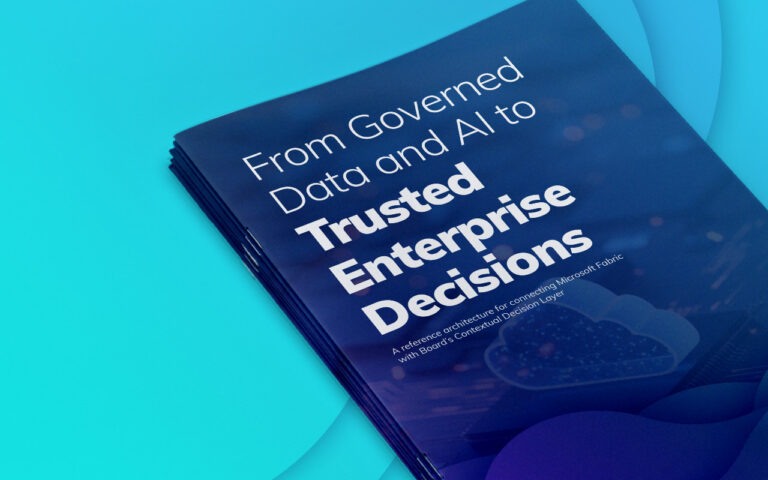
Whitepaper
 Download the Whitepaper
Board & Microsoft Fabric: From Governed Data and AI to Trusted Enterprise Decisions
Download the Whitepaper
This website will offer limited functionality in this browser. We only support the recent versions of major browsers like Chrome, Firefox, Safari, and Edge.

Third-Quarter 2026 Outlook
Why consumer resilience is still holding, and why planning around the “average consumer” is becoming a risk.
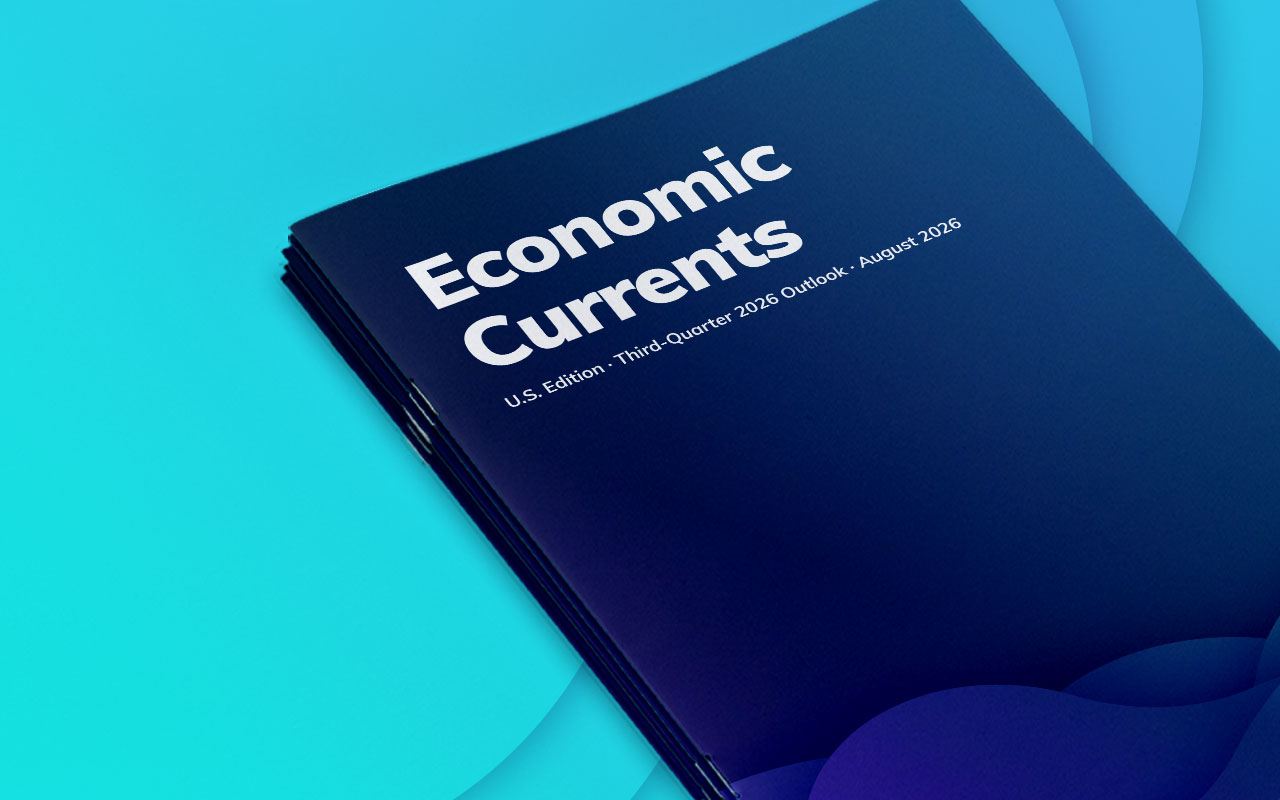
U.S. consumers remain stronger than sentiment alone suggests.
Board’s State of the Consumer Index shows household fundamentals still sitting above their long-run average, supported by employment, spending capacity, and balance-sheet strength. But beneath that resilience, new pressures are emerging.
Energy-price sensitivity is rising. Layoff exposure is increasing. Savings buffers are thinner. And the gap between higher-income households and lower- and middle-income households is widening.
For CFOs and executive teams, the implication is clear: the consumer outlook is not a simple downturn story. It is a segmentation story.
Planning teams are entering the second half of 2026 with conflicting signals.
Sentiment is weaker. Geopolitical uncertainty is higher. Yet spending has not collapsed, and consumer fundamentals remain intact.
The risk is making enterprise-wide planning decisions based on averages that no longer reflect how demand is actually behaving.
This report helps finance and executive leaders understand where consumer strength remains, where pressure is building, and how to adjust planning assumptions before volatility reaches the P&L.
The U.S. consumer is not moving as one market.
Higher-income households continue to support discretionary categories, travel, and services. Lower- and middle-income households are facing greater affordability pressure, trading down, consolidating trips, and pulling back in real terms across categories including dining, retail, food, and beverages.
For CFOs, this makes static forecasts and broad promotional strategies increasingly risky.
The report shows why leadership teams need planning models that can account for:
The most actionable finding in this quarter’s outlook is the widening gap between income cohorts.
While the overall consumer backdrop remains resilient, the strength is increasingly concentrated among higher-income households. Lower- and middle-income households are absorbing more pressure from elevated prices, weaker savings buffers, and higher energy costs.
For executive teams, this means one demand curve is no longer enough.
Commercial plans, promotional calendars, pricing strategies, and inventory commitments must reflect different levels of spending capacity across consumer groups.
Understand why Board’s State of the Consumer Index remains above its long-run average despite weaker consumer attitudes and elevated uncertainty.
Explore the impact of rising layoff exposure, increased sensitivity to gas prices, and lower personal saving rates on household spending behavior.
See how higher-income households are sustaining growth while lower- and middle-income consumers pull back in key categories.
Learn why finance leaders should plan for growth, not recession, while building more flexibility into staffing, inventory, pricing, and promotional decisions.
Recommended for:
CFOs
CIOs
Chief Executive Officers
Chief Operating Officers
Chief Strategy Officers
Chief Revenue Officers
FP&A Leaders
Commercial Planning Leaders
Demand Planning Leaders
Understand why Board’s State of the Consumer Index remains above its long-run average despite weaker consumer attitudes and elevated uncertainty.
Explore the impact of rising layoff exposure, increased sensitivity to gas prices, and lower personal saving rates on household spending behavior.
See how higher-income households are sustaining growth while lower- and middle-income consumers pull back in key categories.
Learn why finance leaders should plan for growth, not recession, while building more flexibility into staffing, inventory, pricing, and promotional decisions.
Recommended for:
CFOs
CIOs
Chief Executive Officers
Chief Operating Officers
Chief Strategy Officers
Chief Revenue Officers
FP&A Leaders
Commercial Planning Leaders
Demand Planning Leaders
Board & Microsoft Fabric: From Governed Data and AI to Trusted Enterprise Decisions
Download the Whitepaper
Get a tour of the Agentic Planning Platform in action.