

AI Customer Stories: Real-World Examples in Finance and Operations Planning
Board Customer Awards: Four Companies Set New Standards in Enterprise Planning
The winners of this year’s Board Customer Awards 2026 in the DACH region
This website will offer limited functionality in this browser. We only support the recent versions of major browsers like Chrome, Firefox, Safari, and Edge.
The winners of this year’s Board Customer Awards 2026 in the DACH region
Corporate planning is undergoing a fundamental transformation. Amid global supply chain challenges, pricing pressures, and geopolitical uncertainty, static budgets and isolated planning processes are no longer sufficient. Companies need continuous, integrated, flexible, and data-driven planning approaches that enable rapid decision-making and connect operational and financial management.
The winners of this year’s Board Customer Awards 2026 in the DACH region demonstrate the different ways organizations are approaching this transformation. BASF Agricultural Solutions, Phoenix Contact, Richter+Frenzel, and TEDi were recognized—four companies facing different challenges but sharing a common goal: turning planning into a true management and decision-making tool.
BASF Agricultural Solutions has optimized its global sales planning by implementing an integrated enterprise planning platform. By bringing together previously fragmented regional processes, BASF has created a unified, scalable solution that connects pricing, forecasting, and incentive management across markets. This has improved transparency and decision-making throughout the global organization.
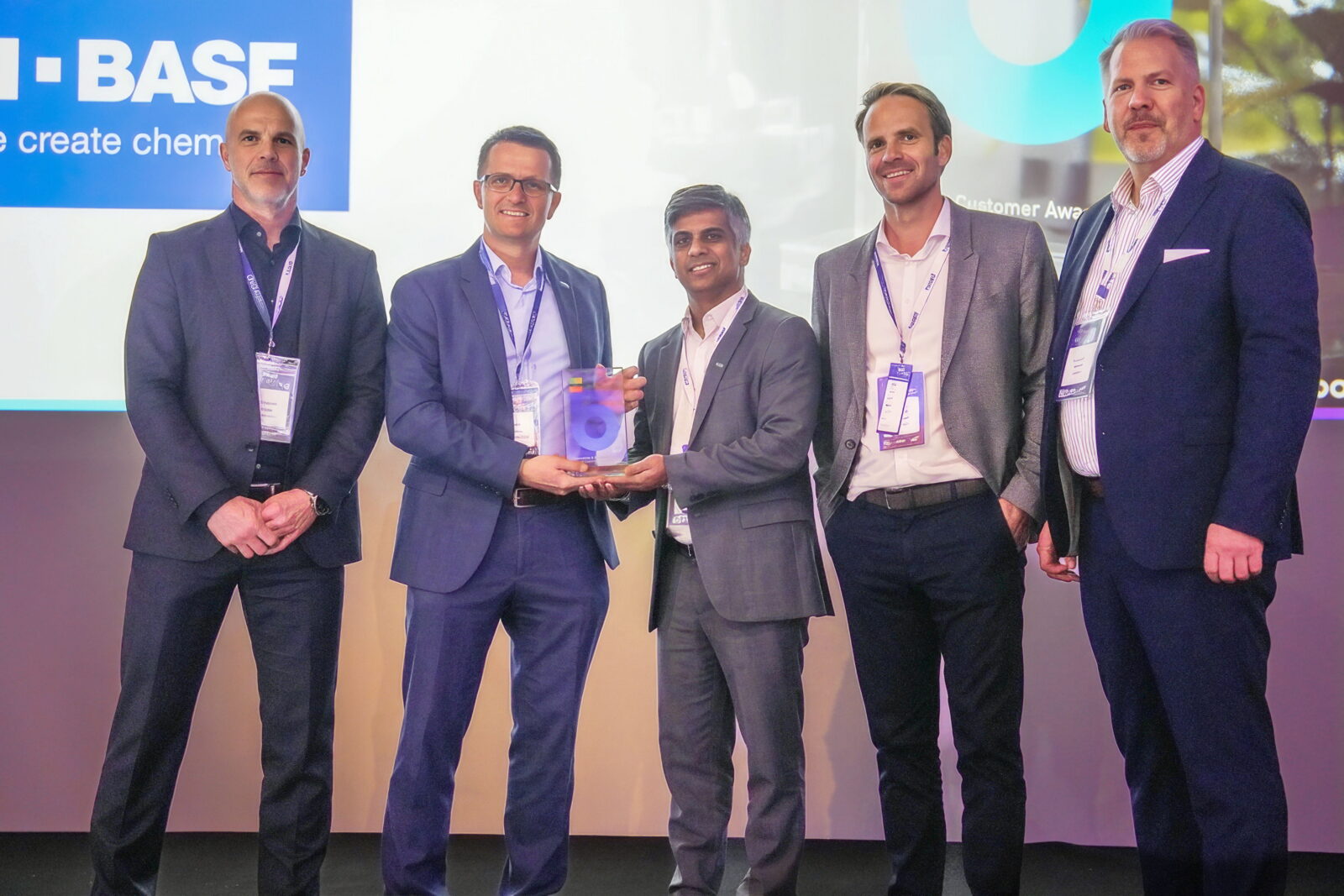
The solution is integrated with key enterprise systems such as Salesforce and SAP, providing a single view of customer, sales, and financial data. This eliminates data silos and promotes more consistent, data-driven decision-making across the organization. Nearly 2,000 users worldwide benefit from real-time visibility into pricing and performance, as well as streamlined approval processes that improve speed and accountability.
One key area of innovation is rebate and incentive management, a critical component of the agricultural chemicals and seeds business. Leveraging Board’s integrated business planning and scenario analysis capabilities, BASF is continuing to expand the platform to support end-to-end planning and management of rebate programs. This enables teams to model outcomes, manage complexity, and improve financial performance.
“Board provides us with the perfect balance between global transparency and local creative freedom in sales planning. Teams can immediately see the impact of their decisions,” says Dr. Vinay Singh, Global Process & Product Owner Pricing at BASF Agricultural Solutions.
Phoenix Contact is rethinking planning as the “signature product” of controlling—making it more efficient, transparent, and closely aligned with reality. Rather than pursuing disruptive change, the company has deliberately chosen an evolutionary transformation approach to bring the organization along step by step.
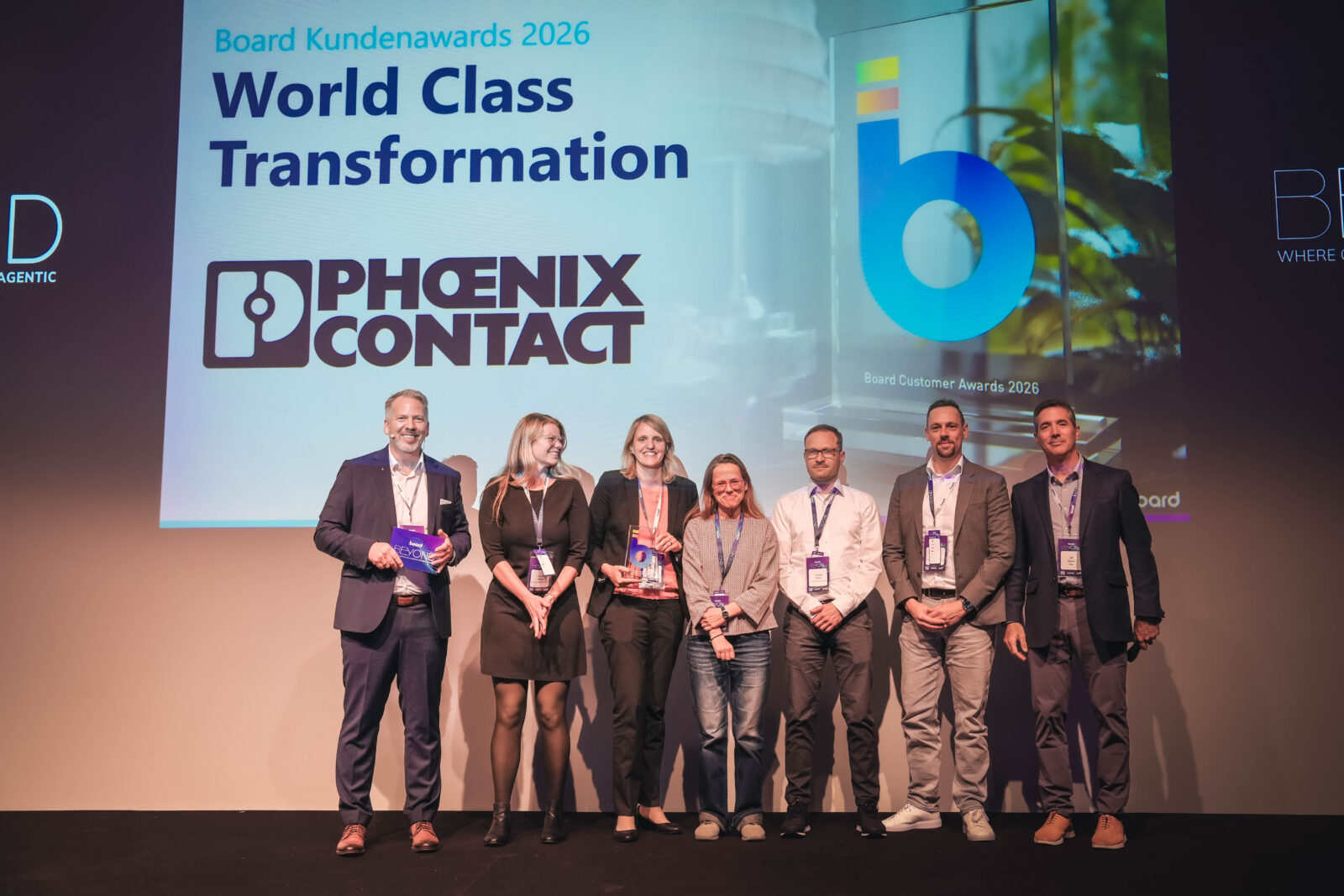
Built on the Board Enterprise Planning Platform, the solution combines financial and operational planning, analytics, and reporting within a single environment. By connecting data, processes, and teams, the platform enables continuous planning, allowing the company to align decisions in real time and improve forecast accuracy.
At the heart of this initiative is the replacement of traditional budgeting processes with driver-based rolling forecasts. As a result, planning becomes more dynamic and better aligned with current developments.
The project is part of a broader digitalization program designed to strengthen performance management, governance, and decision-making capabilities over the long term.
“With Board, we want to become faster, build intuitive planning applications, and keep our plans up to date. Scenarios, forecasts, and analyses help us plan ahead and respond to future events in a timely manner,” says Thomas Bremes, FiCo Analytics & Data Integration Consultant at Phoenix Contact.
Richter+Frenzel has been working with Board since 2012 and has continuously expanded its solution over the years. The company has developed strong in-house system expertise and independently enhances its planning and reporting applications.
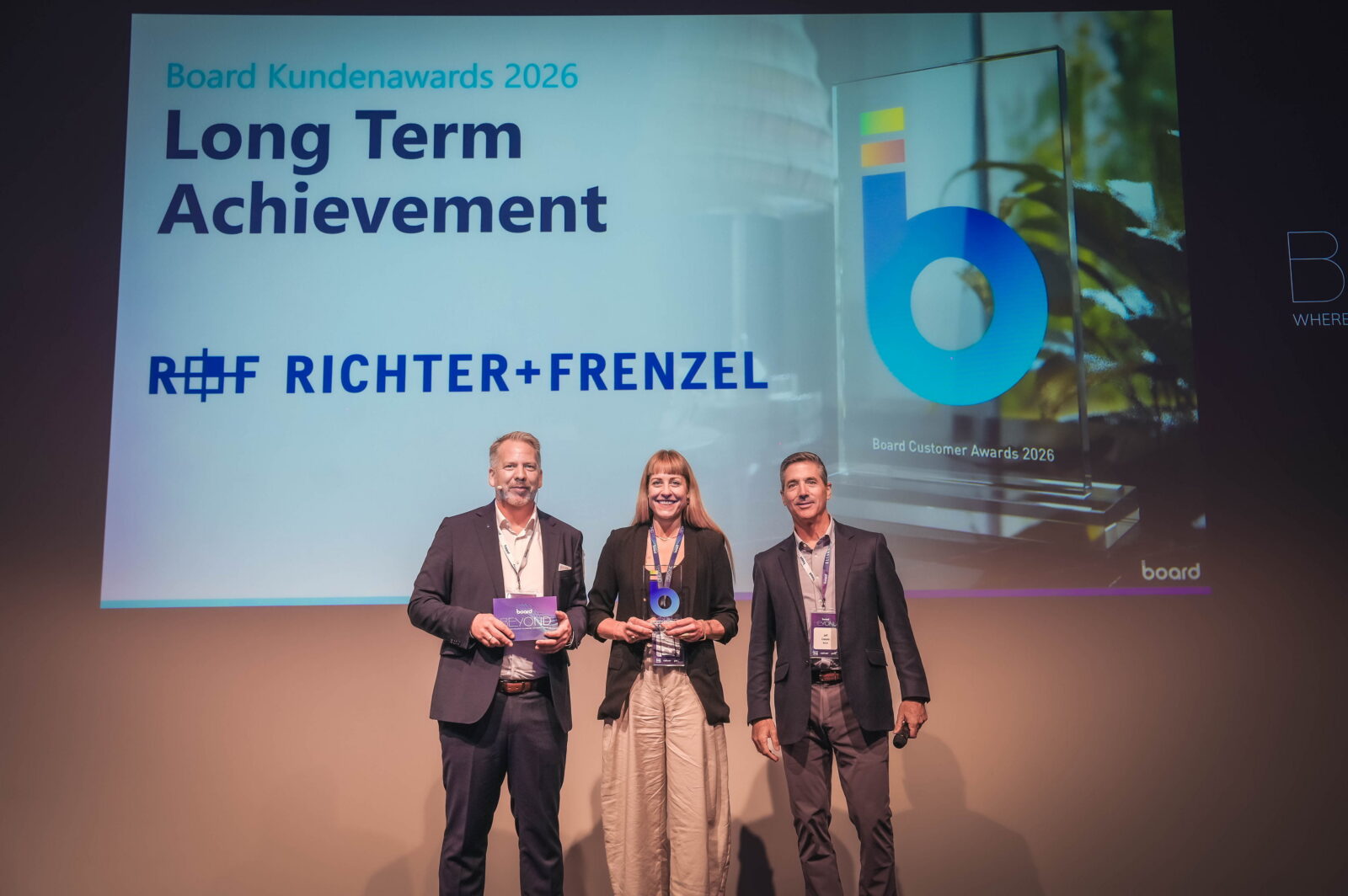
The Controlling department implements new applications on its own, drives innovation, and is also responsible for training new users. Board is used for profit and loss reporting, balance sheet and cash flow reporting, as well as purchasing, logistics, sales, HR, and controlling reports. In addition, the company manages detailed P&L planning, including forecasts and structured three-year planning processes.
“Board gives us the ability to independently develop the system further and tailor new applications precisely to our requirements. At the same time, we can move at our own pace and remain largely independent of external consulting,” says Roland Wörle, Head of Controlling at Richter+Frenzel.
TEDi aims to bring financial, operational, merchandise, and assortment planning together on a single platform. The journey begins with financial planning, with future phases integrating operational and merchandise planning.
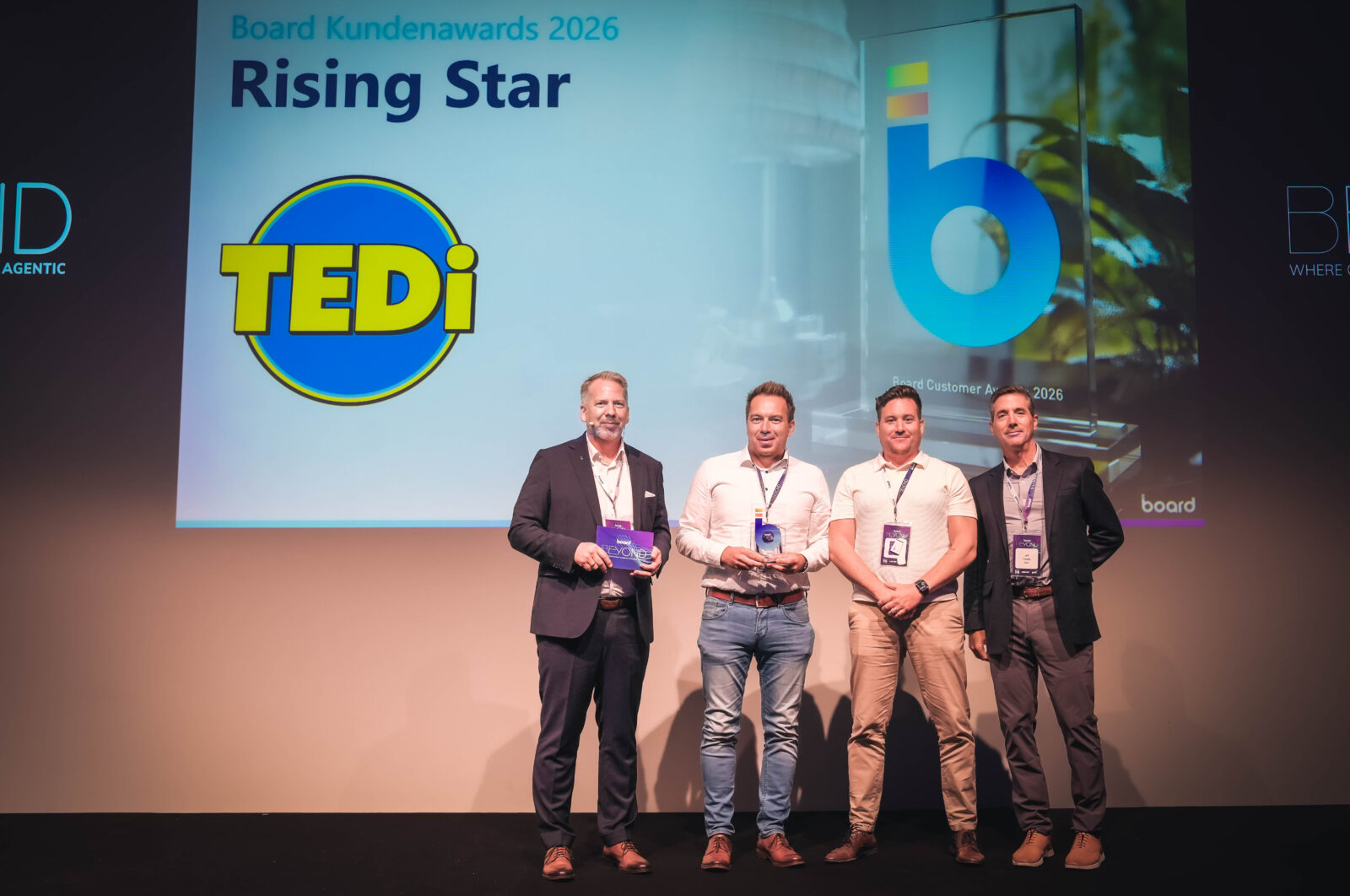
With more than 3,700 stores in 15 countries and ambitious growth targets, the company faces the challenge of harmonizing processes more effectively across Europe. This includes standardizing cost center planning and intercompany allocations.
The objective is to create closer integration between financial and operational planning in order to improve efficiency and decision quality.
“Our vision is to manage all relevant business processes—from planning to execution—through a single platform. With Board, we have found a partner whose technology has convinced us and who understands and supports our growth ambitions,” says Verena Siemes, Director IT at TEDi.
The award-winning projects demonstrate the different ways companies are transforming their planning processes—and the important role integrated planning plays in that transformation.
Whether through global sales management, rolling forecasts, long-term capability building, or the integration of operational and financial planning, modern planning is increasingly becoming a strategic instrument that creates transparency, accelerates decision-making, and strengthens organizational resilience.
This is the common thread running through all the award-winning projects: planning is no longer simply administered—it is actively used to manage businesses more effectively and support growth in a targeted way.
Sorry, this video can’t be played right now. Please try again later.
Get a tour of the Agentic Planning Platform in action.